
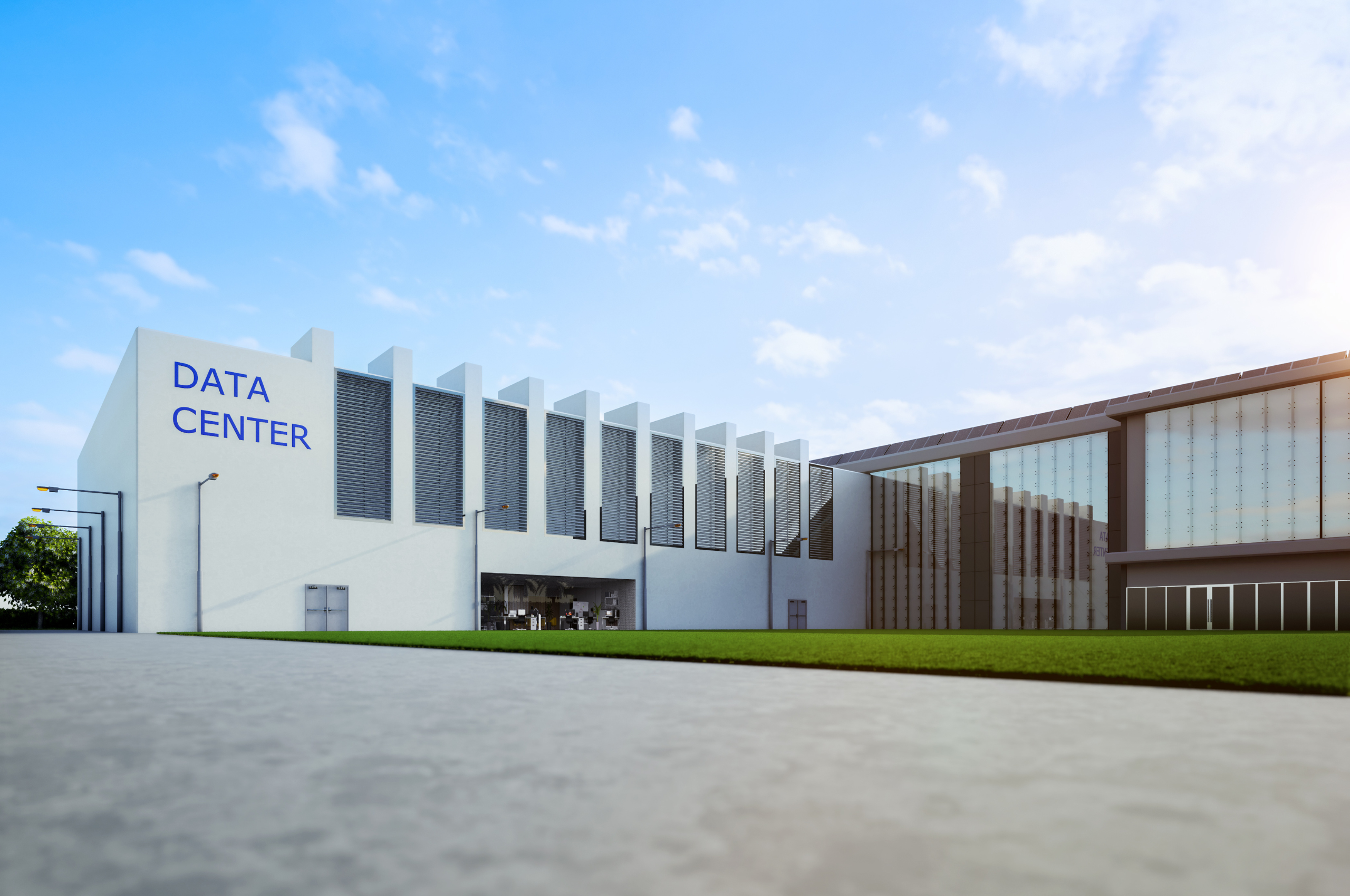
Across the U.S., hyperscale, cloud and edge data centers are breaking ground at a record pace to support AI, streaming, e‑commerce, and always‑on connectivity. These sites are massive, power‑hungry facilities that require complex electrical, mechanical and structural systems to build and maintain. For every new project, the demand for electricians, HVAC/R techs, pipefitters, controls specialists, low‑voltage techs and industrial maintenance pros jumps.
If you manage hiring for facilities, telecom or industrial operations, you are now competing directly with data center projects, whether you ever plan to work on one or not. These projects often come with premium pay, overtime opportunities and the chance to work with cutting‑edge technology, making them incredibly attractive to the same candidates you need to keep your plants running and your networks online.
How data centers are changing the skilled trades market
The data center surge doesn’t just add more open roles; it changes how and where talent moves.
- Regional talent drains
When a large data center campus lands in a region, it acts like a magnet for experienced tradespeople. Local manufacturers, logistics hubs and telecom providers can suddenly find their best people leaving for construction or long‑term site contracts. - Rising wage and benefit expectations
Data center projects often benchmark against national rates, not just local ones. That raises candidate expectations on wages, per diems, shifts and benefits across your whole market, even if your organization never touches a data center job directly. - New skills and certifications become “standard”
Experience with critical power, backup generators, complex cooling systems, fiber and low‑voltage networks quickly becomes the new baseline for certain roles. Candidates who have worked on data center projects can command a premium and have more options, putting pressure on employers to compete with training, upskilling and career paths. - Project timing and volatility
Data center builds can swing local labor supply almost overnight. A large project ramping up can make it feel impossible to staff your plant or facility; a project ending can suddenly flood the market with available workers—if you’re ready to capture them.
Why facilities, telecom and industrial hiring managers can’t ignore this
Even if your organization never bids on a data center contract, the ripple effects will show up in your recruiting and retention metrics.
- More ghosting and declined offers
Candidates with in‑demand skills have more options. If your process is slow or your offers are lower than the new “market reality,” you’ll see more candidates disappear late in the hiring process or accept counter‑offers elsewhere. - Increased turnover risk
Existing employees are getting calls, texts and online messages about higher‑paying roles tied to major infrastructure and data center projects. If their current role feels stagnant or underpaid, they are more likely to leave. - Harder‑to‑fill specialized roles
Critical roles like industrial electricians, PLC technicians, millwrights and HVAC/R techs become the hardest to fill when data centers move into your region. These are exactly the roles you can’t leave open without risking outages, missed production targets or safety issues.
In short, the data center boom is no longer just a construction story; it’s a labor market story. If you are responsible for keeping facilities operating, networks up and production lines moving, it directly affects your ability to deliver.
Four ways to adapt your skilled trades strategy now
The goal isn’t to “out‑pay” every data center project. It’s to become a smart, proactive employer of choice for skilled trades in your region.
- Update your value proposition for trades talent
Start by pressure‑testing your current offering against what candidates are seeing elsewhere.
- Clarify what you can offer that mega‑projects can’t: stability, predictable schedules, shorter commutes, long‑term employment and opportunities to move into leadership.
- Make safety, training and career progression visible in your job postings and interviews, not just mentioned as buzzwords.
- Be honest about pay ranges, and ensure they align with current local conditions for your most in‑demand roles.
When you can’t win solely on hourly rate, you need a compelling story that tradespeople can see themselves in.
- Tighten your hiring process—speed is now a differentiator
Data center contractors and their staffing partners move fast. If it takes you three weeks to move from application to offer, you’ve already lost.
- Cut unnecessary interview steps and approvals for high‑volume skilled roles.
- Pre‑define hiring criteria and testing standards so managers can make decisions quickly.
- Use phone screens and skills assessments efficiently so you can extend qualified offers in days, not weeks.
A streamlined process tells candidates you respect their time and often wins them before a higher offer even arrives.
- Invest in training and cross‑skilling
Data center projects create demand for specific technical skills. You can either pay a premium for talent that already has those skills, or invest in building them in‑house.
- Identify the skills your operation shares with data center work: critical power, backup systems, advanced cooling, fiber, automation and controls.
- Build training paths that help your electricians, technicians and maintenance staff gain similar competencies over time.
- Partner with local technical schools, unions or training providers to create pipelines instead of waiting for “unicorn” candidates.
This approach makes your roles more attractive to ambitious tradespeople who want to grow—and reduces your risk when market competition spikes.
- Partner with a specialized staffing firm before you’re in crisis
The worst time to build a staffing relationship is when you already have five critical openings and a new data center has just announced a major expansion nearby.
A staffing partner that lives in the skilled trades market can:
- Give you early insight into regional talent shifts and wage trends.
- Help you plan ahead for seasonal peaks, shutdowns and new projects.
- Maintain a vetted bench of electricians, welders, operators and techs who already meet your safety and quality standards.
- Support you with temp‑to‑hire and project‑based solutions so you don’t over‑ or under‑hire.
For many employers, the right partner becomes a strategic advantage when competing with large‑scale projects.
How Gillmann Services can help you stay ahead
Gillmann Services focuses exclusively on skilled trades and industrial staffing, which means we sit at the intersection of these market forces every day. We work with facilities, telecom and industrial employers who are navigating the same pressures you’re feeling from the data center boom.
By combining local market insight with a deep bench of vetted trades talent, we help hiring managers:
- Fill critical roles faster without compromising on safety or skill.
- Plan proactively for upcoming projects and peak seasons.
- Build longer‑term pipelines so you’re not blindsided by the next big build in your region.
The data center boom isn’t slowing down and neither is the competition for skilled trades. The good news is that with the right strategy and the right partners, you can turn this challenge into an opportunity to strengthen your workforce for the long term.