The marine and industrial sectors are experiencing rapid transformation as artificial intelligence (AI) and robotics move from cutting-edge concepts to everyday tools on job sites. From predictive maintenance to automated welding systems, these technologies are reshaping how tasks are performed, how crews are organized, and the kind of skills employers seek.
For skilled trade professionals, this shift brings both challenges and exciting opportunities for growth. Understanding how AI and robotics are changing the industry can help job seekers position themselves for long-term success.
Smarter Systems, Safer Work
In shipyards, factories, and industrial plants, AI-powered monitoring systems now detect potential equipment failures before they happen. This predictive capability helps reduce downtime and prevent accidents while ultimately improving job site safety.
For example, a marine technician might now rely on AI-driven diagnostic tools to assess engine performance and anticipate repairs. Industrial maintenance workers are using similar systems to monitor vibration, temperature, and wear on heavy machinery, enabling faster, more accurate interventions than ever before.
Robotics: Partners, Not Replacements
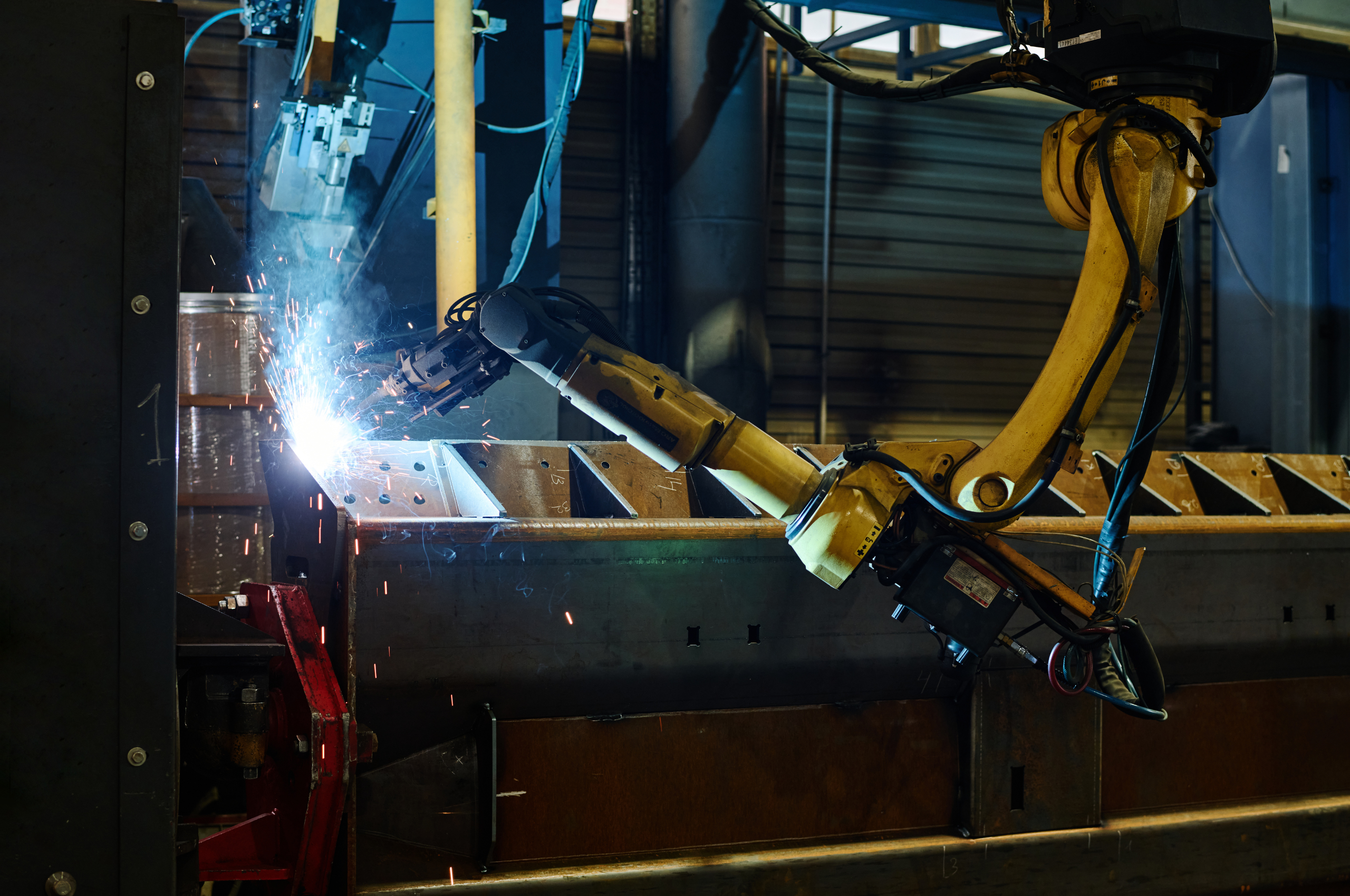
Despite fears about automation replacing human labor, robots in these industries are increasingly being deployed as assistants rather than substitutes. Robotic welding arms, automated inspection drones, and underwater repair devices perform repetitive, dangerous, or highly precise tasks that support, not eliminate, the skilled human workforce.
That means new roles are emerging for technicians who can install, program, and maintain these robotic systems. Workers with mechanical aptitude and digital literacy will find strong demand for their expertise across both marine and industrial settings.
Skills That Will Set You Apart
To stay competitive, job seekers should focus on developing a blend of hands-on trade skills and technological know-how. Employers are increasingly looking for professionals who can adapt to new machinery, understand digital tools, and collaborate with automated systems.
Key areas to enhance include:
- Technical literacy: Basic comfort with software interfaces, sensors, and data analysis.
- System integration: Understanding how robotics and automation connect with traditional mechanical systems.
- Continuous learning: Willingness to pursue certifications in automation, mechatronics, or equipment diagnostics.
- Soft skills: Problem-solving, adaptability, and teamwork remain just as essential as ever.
The Future of Work: Human + Machine
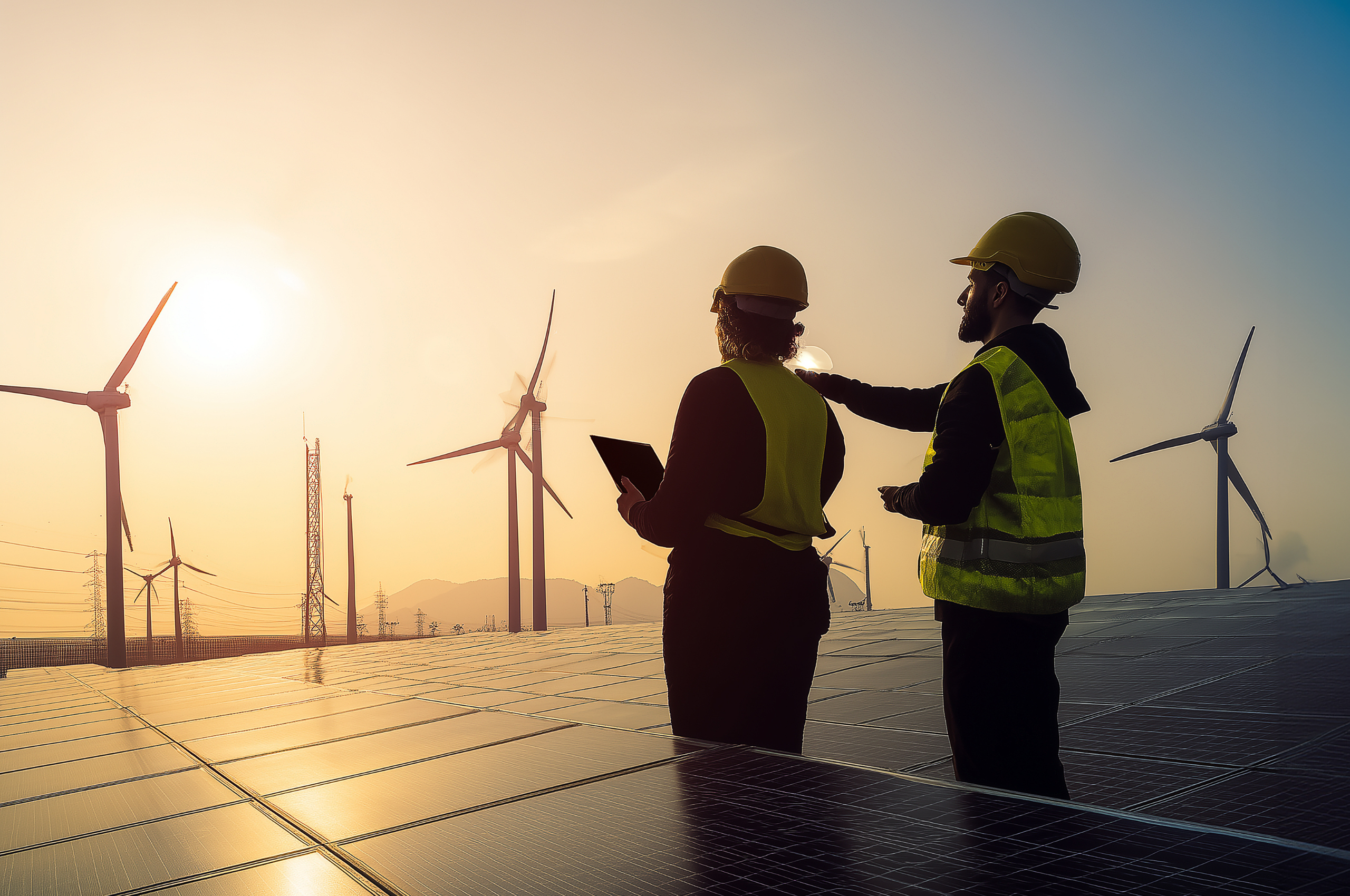
As AI and robotics take on routine or hazardous tasks, human roles will evolve toward supervision, programming, troubleshooting, and high-level problem solving. Skilled tradespeople are essential to making these technologies work in real-world conditions.
The future of marine and industrial work isn’t about humans versus machines; it’s about humans working with machines to deliver greater safety, efficiency, and innovation.
Ready to Take the Next Step?
If you’re ready to explore opportunities in the evolving marine and industrial sectors, Gillmann Services can help you find employers who value both your trade skills and your adaptability to new technology.
Visit the Gillmann Services job board today to find open positions that fit your experience and to explore careers where human skill meets technological progress.