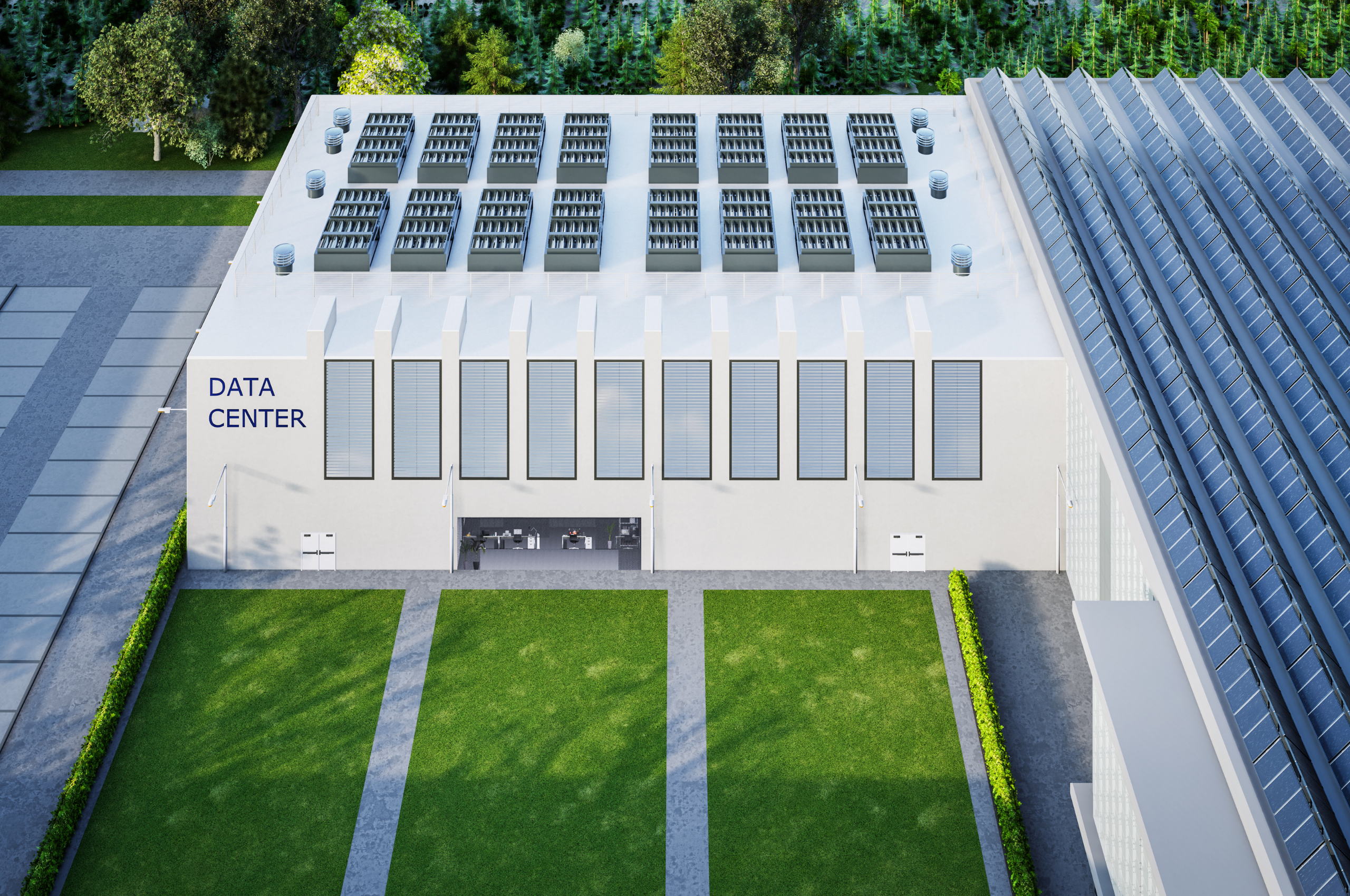
Artificial intelligence may seem like a technology story happening behind computer screens. But every AI tool, cloud platform, and data-driven application depends on something far more tangible: physical infrastructure.
AI systems run in data centers filled with servers, networking equipment, power systems, cooling equipment, and specialized building components. Skilled people must design, build, power, cool, connect, and maintain those facilities. That is creating new opportunities for electricians, HVAC technicians, welders, construction workers, and other trades professionals.
For job seekers, the AI boom reminds us that hands-on skills remain essential in an increasingly digital world.
AI Needs Physical Infrastructure
AI does not operate in thin air. It relies on data centers and the infrastructure that supports them, including reliable power, backup systems, temperature controls, water and piping systems, fiber connectivity, and secure facilities.
As companies invest in AI capabilities, they are also investing in the buildings and systems needed to support them. That can mean new data center construction, facility expansions, electrical infrastructure upgrades, advanced cooling installations, and ongoing maintenance work.
The result is growing demand for tradespeople who can turn complex plans into safe, dependable, working systems.
Electricians Power the AI Economy
Data centers use significant amounts of electricity. Every server, network system, cooling unit, security system, and backup power source requires dependable electrical infrastructure.
Electricians may be needed to install conduit, pull wire, connect panels, support power-distribution systems, install lighting and low-voltage systems, and help ensure facilities meet project specifications and safety requirements. Electrical workers with commercial, industrial, low-voltage, controls, or large-scale project experience may find their skills transfer well to data center and technology-related construction.
The work is not limited to new facilities. Existing buildings and electrical systems may also need upgrades as organizations expand their computing capacity.
HVAC Technicians Keep Critical Systems Cool
AI-related equipment generates heat, and managing that heat is essential. In a data center or other high-tech facility, cooling isn’t just a comfort issue; it is critical to keeping equipment operating reliably.
HVAC technicians, mechanical installers, sheet metal workers, pipefitters, and other mechanical trades professionals help install and maintain systems that manage temperature, airflow, ventilation, and cooling. Depending on the project, that could include large-scale HVAC equipment, chillers, cooling towers, ventilation systems, piping, controls, and specialized cooling infrastructure.
For HVAC professionals, experience with commercial or industrial systems can be particularly valuable as more facilities require dependable, high-capacity cooling.
Welders and Construction Workers Build What AI Runs On
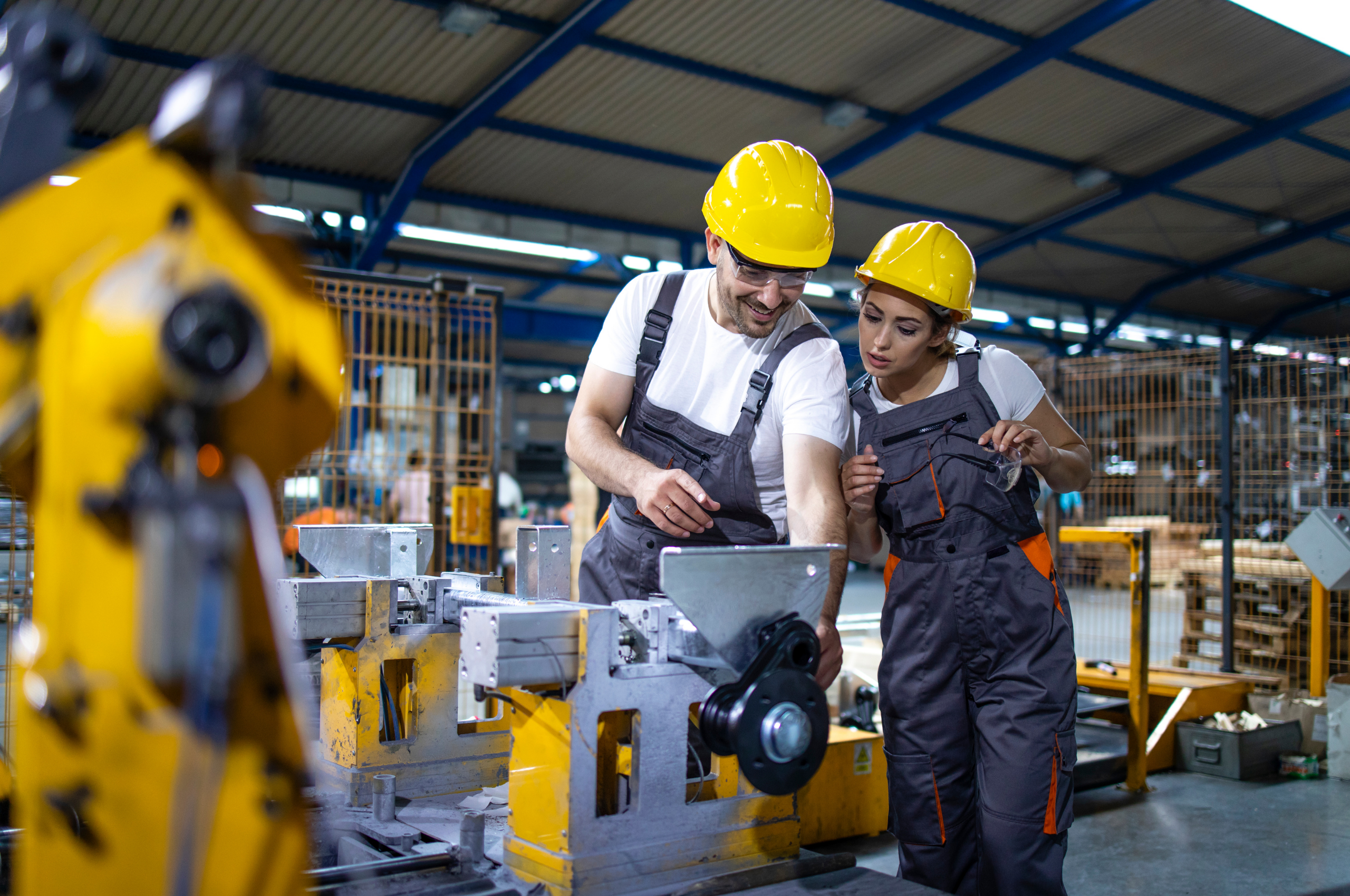
Before a data center can operate, it must be built. Construction workers, welders, ironworkers, carpenters, concrete workers, equipment operators, and other skilled professionals all play a role in creating the physical spaces where AI infrastructure operates.
Welders and pipefitters may support structural work, piping systems, mechanical installations, and facility infrastructure. General construction professionals contribute at every stage of a project, from site preparation and foundations to finishing work and final inspections.
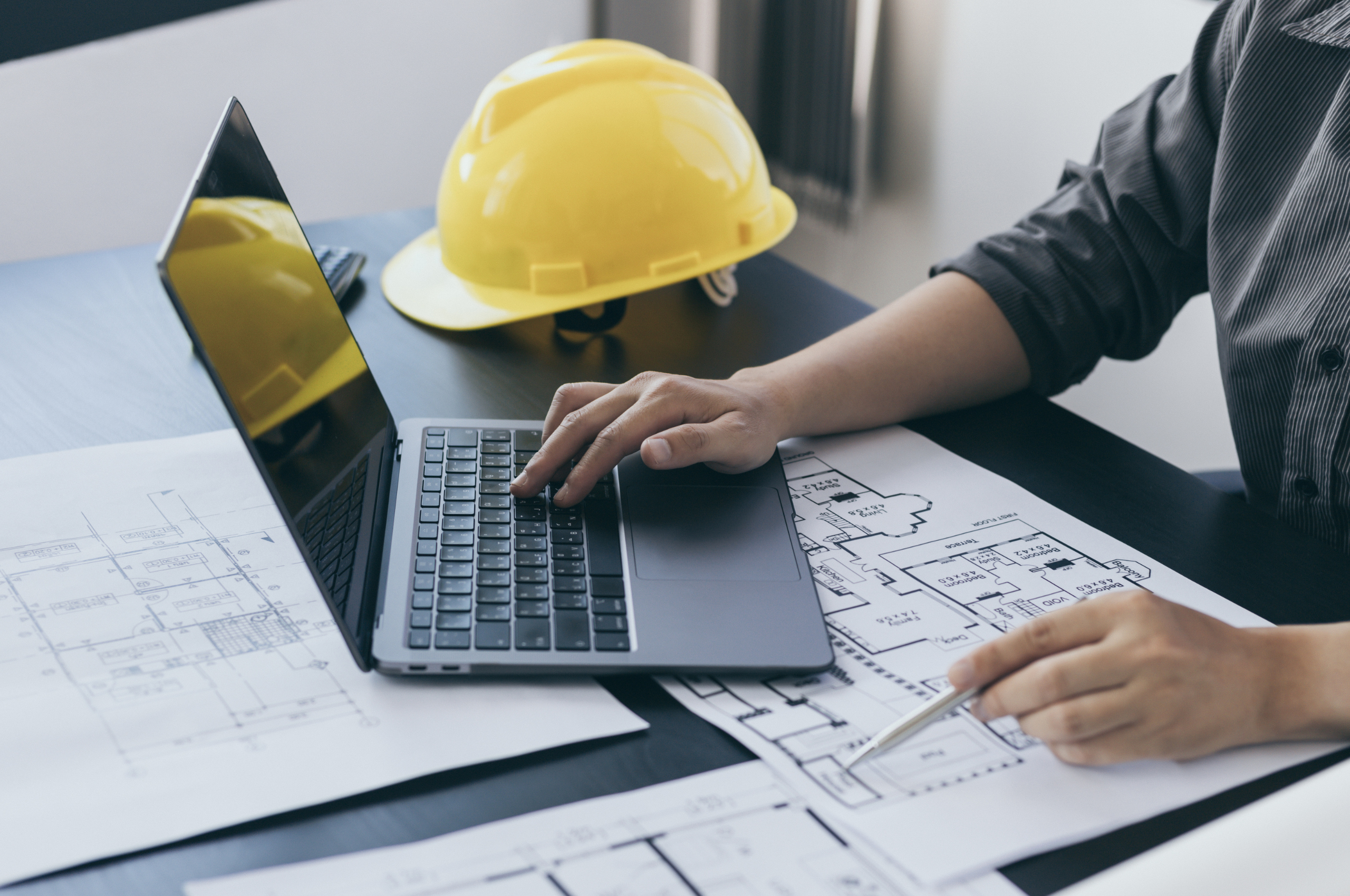
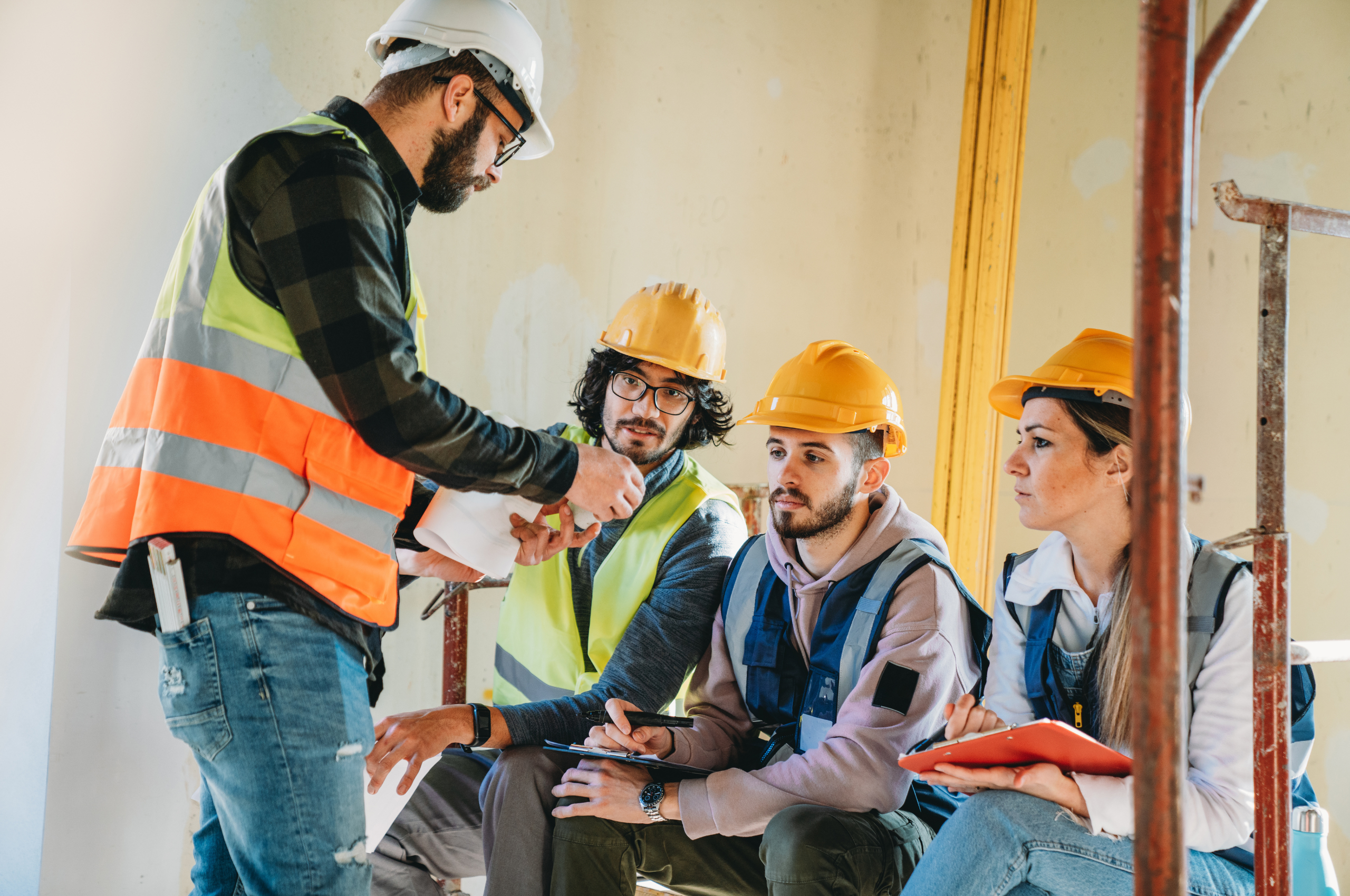
These projects need people who can work safely, read plans, coordinate with other trades, adapt to changing site conditions, and deliver quality work on schedule.
Technology Is Changing the Jobsite—Not Replacing the Trades
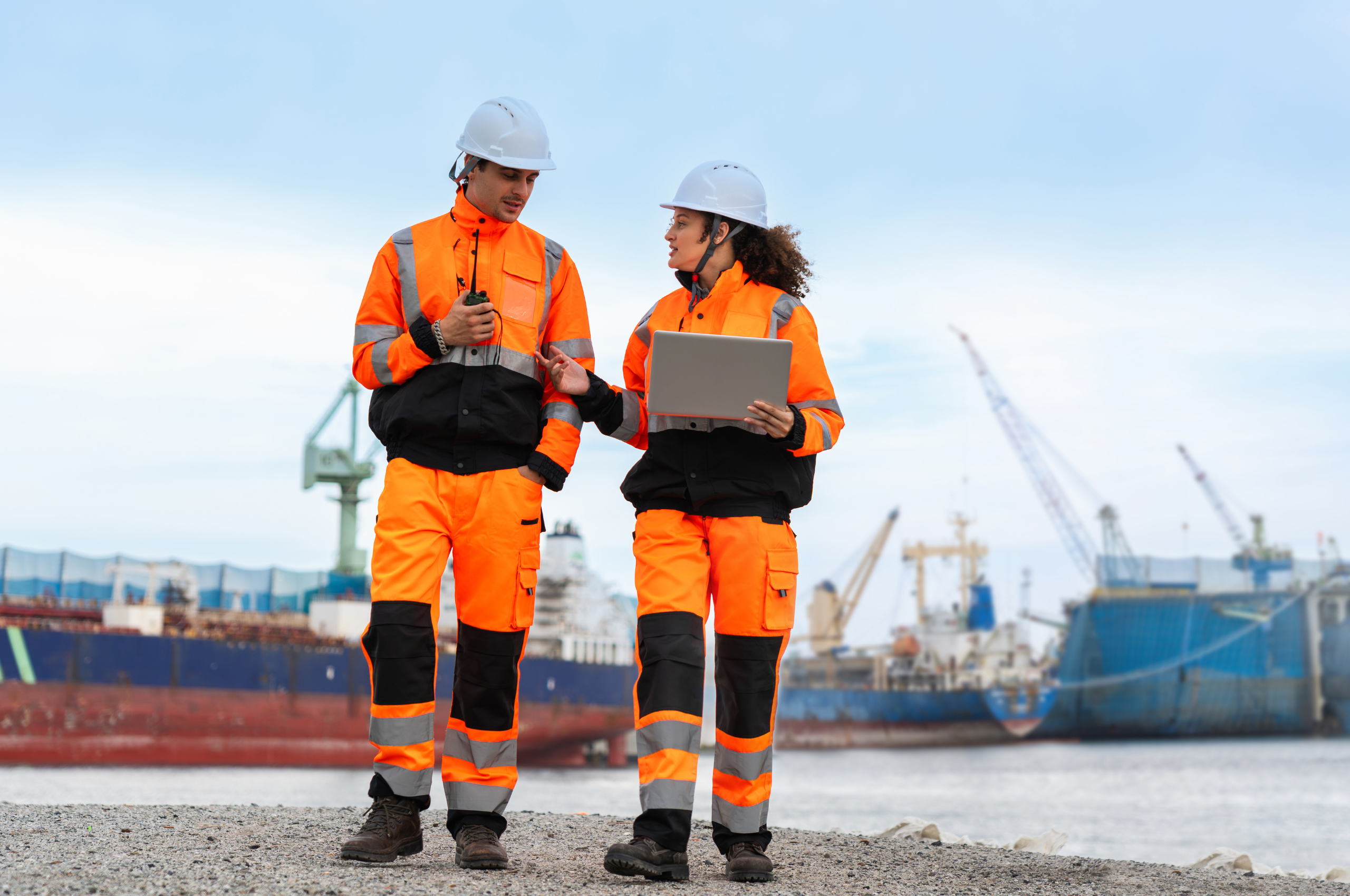
AI and automation may change some aspects of construction and maintenance work. More jobsites use digital plans, mobile reporting tools, smart equipment, sensors, and technology that can help teams monitor progress or identify potential maintenance issues.
But technology does not replace the need for hands-on problem-solving. It cannot safely install a system in real-world jobsite conditions, make a skilled repair, assess completed work, or make the decisions needed to keep a project moving.
The strongest opportunities will often go to workers who combine proven trade skills with a willingness to learn new tools and adapt to evolving project needs.
Put Your Skills to Work With Gillmann Services
The future of AI will rely on powerful technology, but it will also rely on skilled tradespeople who build and maintain the systems behind it. Electricians, HVAC technicians, welders, construction workers, and other experienced professionals will remain essential as data centers, advanced manufacturing facilities, commercial projects, and infrastructure needs grow.
If you are ready to explore your next opportunity in the skilled trades, Gillmann Services can help. Our team connects qualified tradespeople with job opportunities that align with their experience, trade specialty, location, and career goals.