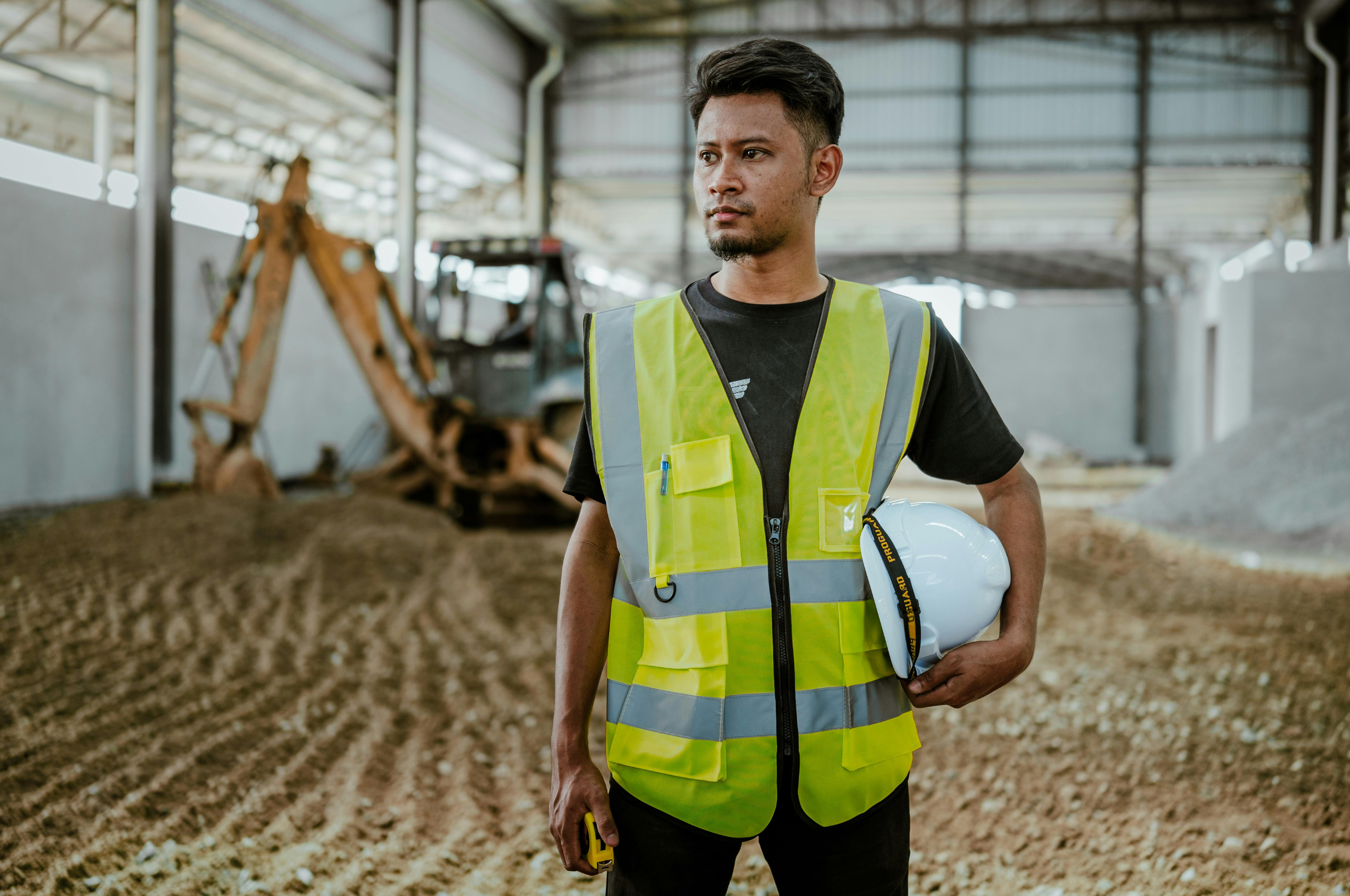

Hiring for construction office roles is different from hiring for a generic corporate job. The best candidates do more than handle schedules, paperwork, and coordination; they understand how a project moves in the real world, from the field to the trailer to the office.
That field knowledge matters because construction office talent often supports superintendents, project managers, estimators, and crews under tight deadlines. When someone understands the pace, language, and pressure of the jobsite, they communicate more effectively and make fewer avoidable mistakes.
What “Field-Ready” Means
Construction office talent does not need to have swung a hammer for 10 years, but they do need to understand the basics of how projects run. That can include familiarity with RFIs, submittals, change orders, schedules, job costing, safety culture, and trade coordination.
The strongest candidates usually bring a mix of organization and practical judgment. They know that a delay in the office can create a problem in the field, and they understand how to keep information moving before small issues become expensive ones.
Roles To Target
If you are hiring for construction white-collar roles, focus on positions where field awareness creates the most value. Good examples include project coordinators, project engineers, estimators, schedulers, office managers, and assistant project managers.
These roles often act as the bridge between operations and administration. A candidate who can talk comfortably with both field crews and leadership is more likely to improve communication, speed up decisions, and support project delivery.
Where To Look
The best candidates often come from construction-adjacent paths, not just traditional office backgrounds. Look at people with experience in construction administration, trade support roles, vendor coordination, project support, or even field experience who are ready to move into the office side of the business.
You can also find promising talent through industry job boards, referrals, trade associations, and your company’s existing network. Construction-specific or skilled trade recruiting channels tend to work better than general job boards because they reach candidates who already understand the industry.
What To Ask In Interviews
Interview questions should go beyond software knowledge and scheduling basics. Ask candidates how they have handled delays, scope changes, miscommunication between office and field, or pressure from multiple stakeholders.
You can also ask scenario-based questions such as:
- How would you respond if a superintendent needs updated information immediately?
- Tell me about a time you had to coordinate across multiple teams.
- How do you stay organized when priorities change throughout the day?
- What construction processes have you supported before?
Those questions help reveal whether a candidate truly understands construction workflow or only has general office experience.
What Employers Should Prioritize
Look for candidates who are responsive, calm under pressure, and comfortable with shifting priorities. Construction office roles reward people who can stay organized while still thinking practically about the field impact of each task.
It also helps to hire for attitude and train for systems when possible. A candidate with the right mindset and a willingness to learn construction-specific processes can become a strong long-term contributor.
Why Direct Hire Helps
For many white-collar construction roles, direct hire is the right path because these positions affect long-term performance, communication, and project continuity. A strong direct-hire process can reduce turnover and help companies build a more reliable internal team.
This is especially important when the role sits close to project delivery. If an estimator, coordinator, or project assistant does not understand the field, the disconnect can slow work down across the whole organization.
Closing Thought
Finding construction office talent that understands the field starts with looking beyond resumes and focusing on real-world awareness. Employers who prioritize industry knowledge, communication, and adaptability are more likely to hire people who can support both the office and the jobsite.
For construction companies that need help finding that kind of talent, a staffing partner with industry experience can make the search faster and more effective. Gillmann Services is well-positioned to help employers identify candidates who can keep projects moving.