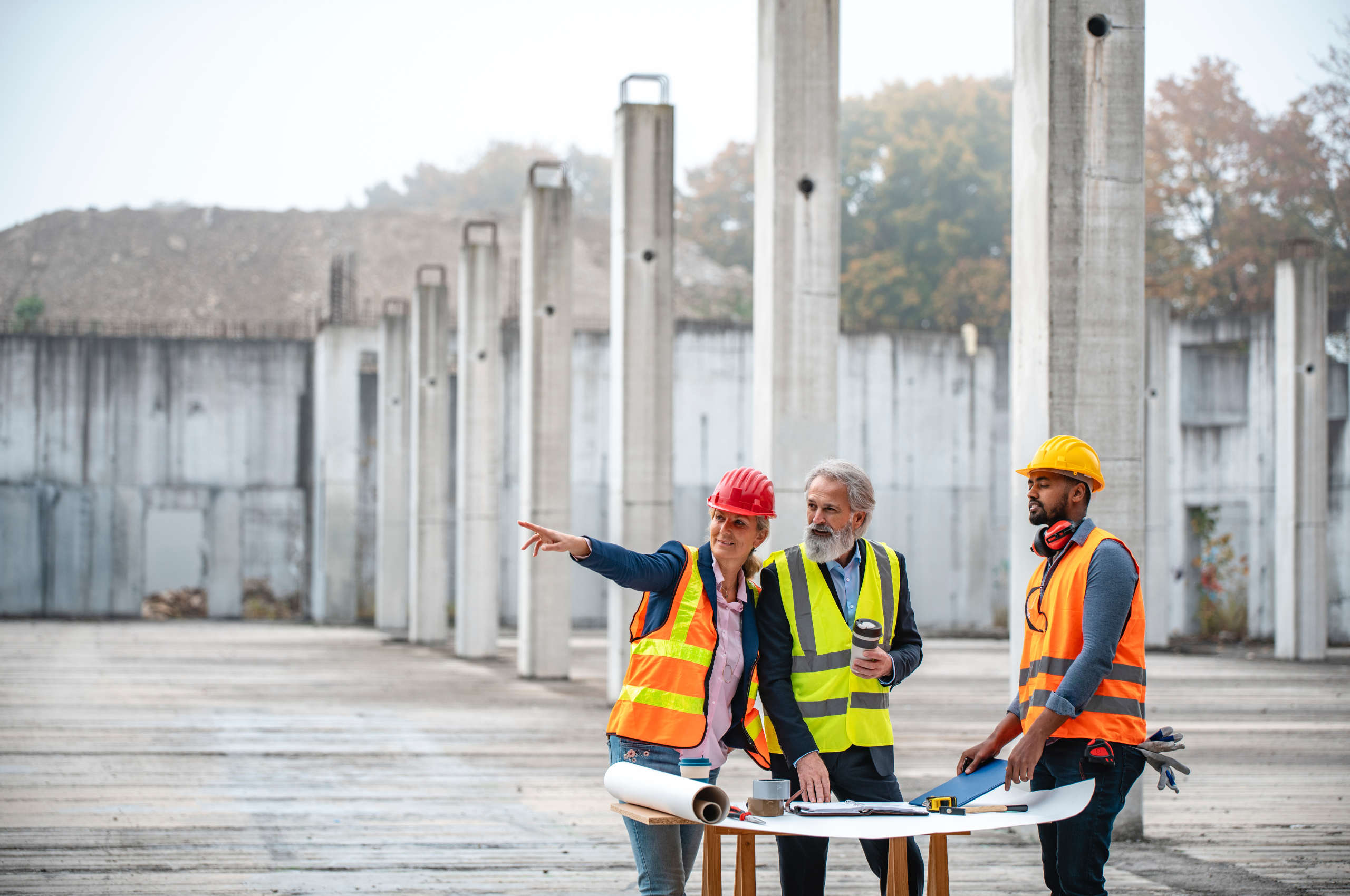

If you work in road, bridge, highway, or heavy civil construction, you’ve probably felt the impact of the recent “infrastructure bill” in the form of steady work and strong demand for your skills. That law, the Infrastructure Investment and Jobs Act (IIJA), has helped fund thousands of projects and kept crews busy on highways, bridges, and other public works.
But there’s a key date ahead: the current law is scheduled to expire at the end of September 2026 unless Congress passes a new bill or an extension. That doesn’t mean everything shuts down overnight, but it does mean the next couple of years are an important time to think about your career strategy.
Why IIJA matters to you
IIJA is a five‑year federal law that put record levels of money into highways, bridges, transit, water systems, and more. That funding has translated into:
- A strong pipeline of civil and road projects in many states.
- High demand for equipment operators, laborers, concrete and asphalt crews, ironworkers, traffic control, and other skilled trades.
- Better pay and more consistent hours in many markets, especially for experienced and safety‑minded workers.
Industry groups still expect the construction industry to need hundreds of thousands of additional workers in 2026 to meet demand, and infrastructure work is a big part of that picture.
What happens when the law “expires”?
On paper, IIJA runs out in late 2026. In practice, one of three things usually happens with major federal transportation laws:
- A new long‑term bill is passed.
- Short‑term extensions keep money flowing.
- Congress delays, creating uncertainty about how states award new work.
States and local agencies like predictable funding so they can plan multi‑year projects. When funding is in question, they may slow down on bidding out big new jobs or break them into phases. For workers, the risk is not that all current jobs stop at once, but that the pipeline of new projects becomes less predictable if there’s a political fight or major cuts.
The good news: Skilled trades are still in demand
Even with that uncertainty, several things still work in your favor:
- A lot of IIJA money is already committed to projects that will continue through 2026.
- Many states and cities have added their own transportation and infrastructure funding.
- Construction employers are still struggling to find enough skilled tradespeople.
- Aging infrastructure and growth in certain regions mean the work won’t suddenly disappear.
In short, there’s plenty of work to be done. The question is where it will be strongest and how smooth the project pipeline will feel from your point of view.
What this means for your job outlook
Over the next few years, you can expect:
- Solid demand for experienced workers through at least 2026, especially in road, bridge, and civil work.
- More sensitivity to funding debates after 2026, which could make hiring and project starts a bit bumpier if Congress moves slowly.
- Ongoing need for core civil trades: equipment operators, concrete and asphalt workers, bridge and structural crews, utility installers, and safety pros.
If you keep your skills sharp, stay reliable, and remain willing to move between types of work or locations, you’ll be better positioned than workers who are locked into one narrow niche.
Smart moves to make now
To protect your income and stay in demand as funding shifts, focus on a few practical steps:
- Strengthen transferable skills
Build or deepen skills that are useful across many types of projects: operating multiple kinds of equipment, concrete and form work, structural and bridge work, underground utilities, and key safety certifications. The more you can do, the easier it is to keep you working when one project wraps and another starts. - Stay open to related sectors
Highway work is important, but a lot of the same skills apply in industrial construction, plant maintenance, marine and port work, and site preparation for manufacturing or data centers. Being willing to take jobs in these areas can keep you busy even if a local road program slows down. - Choose employers with diverse work
Companies that mix federal, state, local, and private projects are less exposed to any one funding source. Working through a staffing partner that serves heavy/highway, industrial, and marine clients can help you move between projects instead of waiting on one customer’s bid schedule. - Guard your reputation
In any market, but especially in an uncertain one, reliability is a big advantage. Showing up on time, working safely, keeping certifications current, and communicating clearly with your foreman or recruiter all make it more likely you’ll be the first call when new crews are being built. - Pay light attention to the big picture
You don’t have to follow every detail out of Washington, but watching headlines about infrastructure funding and big road programs in your state helps you anticipate where the opportunities will be strongest.
How Gillmann Services can help
As funding cycles change, having a partner who understands both public-works and private‑sector demand can make the difference between downtime and steady paychecks. Gillmann Services works with contractors across heavy/highway, industrial, marine, and manufacturing projects, and our team knows where skilled tradespeople are needed most.
If you want to stay ahead of the 2026 infrastructure cliff and line up your next opportunity before the project ends, connect with Gillmann Services today and let us help you turn your skills into your next great assignment.